You’re ready to make a change, but what will it actually cost?
If you’ve started researching home renovation costs in Toronto, you’ve probably seen numbers that range from “surprisingly manageable” to “how is that possible?”
The truth is, renovation pricing varies widely, and that’s often what makes it stressful.
Understanding costs doesn’t mean committing to a project tomorrow. It means planning intelligently. It means replacing guesswork with clarity.
Below, we’ll break down what influences the cost to renovate the whole house, provide realistic Toronto price ranges, and explain how to budget without losing sleep.
What Impacts the Cost of a Home Renovation?
Before we talk numbers, it’s important to understand why renovation pricing fluctuates so much.
When homeowners ask, “How much does a renovation cost?” the honest answer is: it depends on several key variables.
1. Scope of Work
A cosmetic update (new flooring, paint, cabinetry fronts) is dramatically different from a full gut renovation where walls, plumbing, electrical, and structure are reconfigured.
2. Square Footage
More space equals more materials, more labour, and more time.
3. Structural Changes
Removing load-bearing walls, adding beams, underpinning foundations, or reconfiguring layouts significantly increases cost.
If you’re still deciding whether to tackle everything at once or in stages, it’s worth understanding how structural work often makes bundling projects more cost-effective.
4. Age of the Home
Older homes frequently contain outdated wiring, plumbing, insufficient insulation, or hidden water damage.
These are some of the hidden factors that impact renovation budgets, especially when renovating older properties.
5. Permits & Inspections
Toronto renovation projects often require permits and multiple inspections. Professional drawings, engineering, and compliance work all factor into the final price.
6. Material & Finish Selections
Mid-range finishes differ significantly from fully custom or luxury materials. Cabinetry, tile, countertops, flooring, fixtures — these choices influence both aesthetics and budget.
When you understand what drives renovation costs, the numbers start to make more sense. Pricing isn’t random. It reflects the scope of work, the condition of your home, and the materials you choose.
That’s why working with a contractor who prioritizes transparent, detailed budgeting is critical. It protects you from surprise costs and from bids that look appealing upfront but don’t reflect the true scope of work.
Sample Cost Ranges for Toronto Renovations
To provide clarity, here are realistic up-to-date ballpark figures for Toronto projects.
Just a note: These are averages, not quotes. Every home is different.
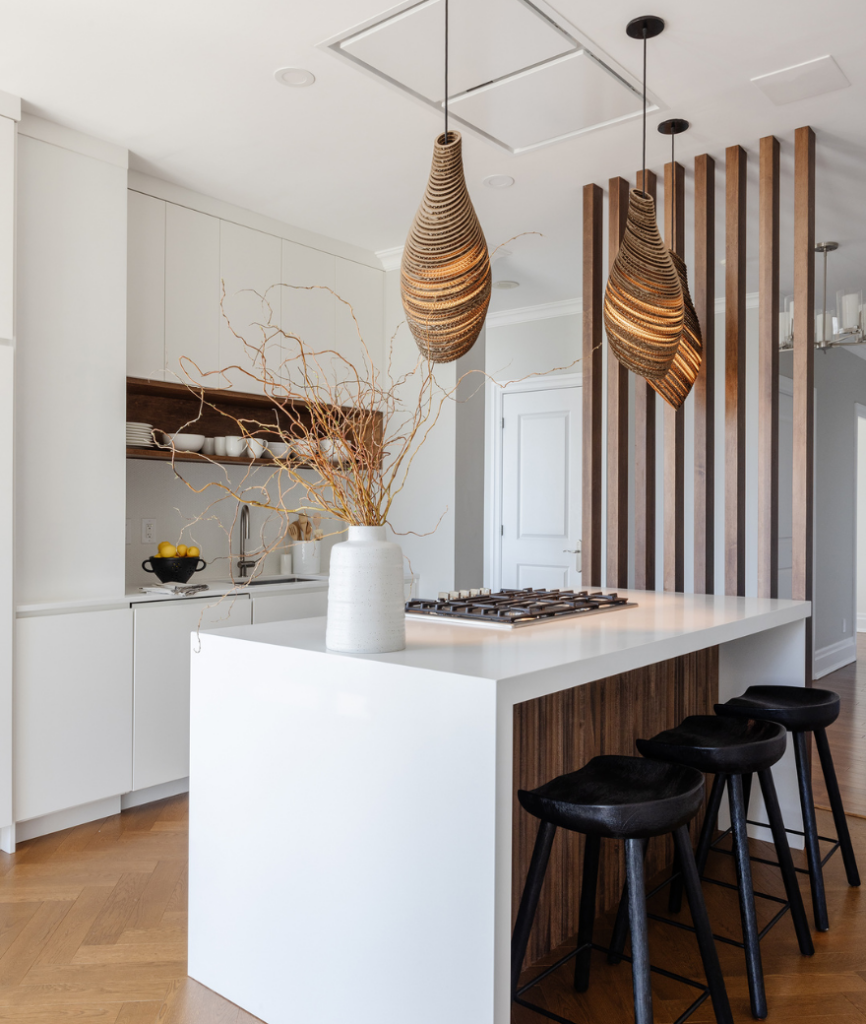
Kitchen Renovation
$75,000 – $100,000+
Dependent on layout changes, custom cabinetry, appliances, and mechanical updates.
Bathroom Renovation
$30,000 – $45,000+
Costs increase if plumbing is relocated or structural reinforcement is required.
Whole-Home Renovation
$500,000 – $1,000,000+
Highly dependent on square footage, age of home, structural modifications, and finish level.
Additions
$250 – $450 per square foot
- Lower range: bedroom or office additions
- Higher range: kitchens, bathrooms, or areas requiring significant plumbing and mechanical integration
These numbers often surprise homeowners, but transparency is better than sticker shock halfway through a project.
If you’re exploring inspiration and wondering what kinds of transformations justify those numbers, reviewing real before-and-after renovations can help connect cost to outcome.
How to Budget for a Renovation (Without Losing Sleep)
Once you understand average price ranges, the next step is smart budgeting.
1. Always Include a Contingency
- New builds: 10% contingency is typical
- Renovations: 20%+ is often recommended, especially in older homes
Unexpected discoveries behind walls are common. Planning for them reduces stress.
2. Prioritize Structure & Layout First
Investing in foundational changes (layout, structural reinforcement, systems upgrades) delivers long-term value.
Finishes can be elevated later if needed, structural integrity cannot.
3. Phase Strategically (If Necessary)
If budget constraints require staging the work, develop a master plan first. This avoids mismatched finishes or redundant labour costs.
4. Work With a Transparent Contractor
A collaborative contractor will:
- Provide realistic pricing
- Explain trade-offs clearly
- Outline what drives costs
- Help align your vision with your financial comfort zone
The goal is clarity, not pressure.
Knowledge = Confidence
You don’t have to guess what your renovation will cost — and you shouldn’t.
A well-planned renovation isn’t about spending the most. It’s about spending strategically.
When homeowners understand realistic pricing, they move from fear-based hesitation to informed decision-making.
Whether you’re exploring a full remodel or weighing phased options, the best place to start is with accurate information tailored to your specific home.
Want a ballpark for your property?
Book a free consultation — no sales pitch, just straight talk.
Once you have a clearer sense of costs, the next step is making sure you’re asking the right questions before moving forward.
→ Continue Reading: 5 Questions to Ask Before Starting a Renovation
→ Explore the full Whole-Home Renovation Series