Old homes are full of charm — and surprises.
Maybe it’s the original trim, the solid wood doors, the high ceilings, or the history embedded in the walls. Toronto’s older homes — whether 50, 80, or even 100 years old — have character you simply can’t replicate in new construction.
But if you’ve ever wondered what’s hiding behind those walls, you’re not alone.
Many homeowners considering renovating an old house have heard the horror stories: ballooning budgets, structural discoveries, outdated wiring, water damage in basements. It’s enough to make anyone nervous.
Here’s the good news: older homes can absolutely be transformed into safe, functional, beautiful spaces. The key isn’t avoiding challenges — it’s understanding what to expect when renovating and working with an experienced team who knows how to navigate them.
What Makes Older Homes Unique (and Tricky)
Older homes weren’t built for modern life — or modern building codes.
That doesn’t make them bad. It just means they require thoughtful planning.
Here are some of the most common structural and systems-related realities we encounter in older Toronto homes:
Outdated Electrical Systems
Knob-and-tube wiring is still present in some properties. Beyond safety concerns, some insurance companies will not provide coverage until it’s removed and updated.
Galvanized or Lead Plumbing
Old pipes can corrode internally, reducing water pressure and increasing the risk of leaks. In some cases, full replacement is necessary.
Uneven Floors or Shifting Foundations
Settlement over decades is normal, but sometimes it indicates larger structural concerns that need professional evaluation.
Layers of Past Renovations
Many older homes have been renovated multiple times. Not all work was done to current standards. You may find hidden framing changes, unsupported beams, or DIY electrical behind finished walls.
Water Seepage and Basement Issues
Older basements were not designed to be lived in. Moisture intrusion, poor drainage, and outdated waterproofing are common. Addressing water issues properly is critical before finishing lower levels.
Hazardous Materials
Depending on age, homes may contain asbestos in insulation or tile, or signs of past mold growth. Proper remediation is non-negotiable.
Layouts That Don’t Suit Modern Living
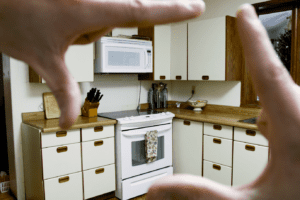
Small, compartmentalized kitchens. Closed-off dining rooms. Limited storage. These layouts made sense decades ago, but often don’t support today’s lifestyles.
Understanding these realities isn’t about fear. It’s about clarity. Knowing the potential problems with old home renovations allows you to plan properly from the start.
Common Surprises During Renovation
Even with careful planning, older homes can reveal hidden issues once walls and floors are opened.
Some of the most common surprises include:
- Hidden mold or rot behind drywall
- Critter nests in attic or wall cavities
- Out-of-code structural changes from past renovations
- Insufficient insulation in walls and attics
- Outdated heating systems driving high energy bills
- Original windows that leak air and increase HVAC strain
- Materials that are discontinued or difficult to match
These are some of the hidden costs of renovating older homes that rarely show up in TV renovation shows.
The cost of not anticipating these surprises can be significant:
- DIY budgets get blown.
- Timelines stretch unexpectedly.
- Stress increases.
This is why experienced contractors build contingency allowances into both budget and schedule — not because something will definitely go wrong, but because older homes deserve realistic planning.
Why the Right Contractor Makes All the Difference
When it comes to how to renovate an old home, experience matters.
An experienced renovation team doesn’t just swing a hammer. They:
Know Where Issues Hide
They’ve seen the patterns before. They know where to look for trouble before it escalates.
Build Contingency Plans
Realistic budgets include allowances for unknowns. Timelines account for inspection requirements and potential remediation.
Offer Creative Problem-Solving
Older homes rarely present one single solution. A seasoned contractor can provide multiple approaches depending on your goals and budget.
Preserve Character While Upgrading Function
The goal isn’t to erase what makes the home special. It’s to retain charm while improving safety, comfort, and performance.
Navigate Permits and Inspections
Older homes often trigger additional scrutiny. An experienced team knows how to communicate with inspectors and ensure your project meets today’s building codes.
In short, the right contractor acts as a guide: someone who helps you make informed decisions, rather than reacting to surprises.
You Can Renovate an Older Home, You Just Need the Right Plan
The key to renovating an older home isn’t avoiding surprises.
It’s preparing for them.
With a clear scope, a realistic budget, and an experienced renovation partner, an older property can become everything you hoped it would be: structurally sound, energy efficient, and tailored to how your family lives today.
Older homes are not money pits by default. But they do require respect, expertise, and thoughtful planning.
If you’re considering renovating an old house in Toronto and want an honest assessment of what’s possible, we’re here to help.
Have questions about your older home?
Let’s talk— no pressure, just expert guidance.
Once you understand what your home may require behind the walls, the next question becomes how to approach the renovation itself — all at once, or in stages.
→ Continue Reading: Should You Renovate All at Once or in Phases?
→ Explore the full Whole-Home Renovation Series